Short answer: the right bag is determined less by height alone than by what you carry, how long you wear it, and how you move. Let your daily essentials define capacity, then assess strap length, bag width, opening, and weight before considering trends. A mini bag is light but may not fit a phone; a large tote is practical but can become painfully heavy. The best bag is comfortable, accessible, and useful several times a week.

Start with a daily inventory
Place your phone, cardholder, keys, battery, earphones, cosmetics, bottle, umbrella, tablet, or laptop on a table. Divide them into essential, occasional, and optional groups, then measure the largest object. Small, medium, and large are not standardized across brands. Confirm that your phone fits and the closure works instead of relying on the label.
For online shopping, make a paper outline using the published dimensions or test a similar box. Interior pockets, curved sides, and drawstrings reduce usable room, so external dimensions never tell the whole story.

Popular silhouettes compared
Tote: spacious for work
A tote can hold documents and electronics and offers quick access. Its open space also encourages overpacking, while one-shoulder weight can cause fatigue. Commuters should consider a secure closure, stable base, straps that stay in place, and the weight after loading—not just the empty weight.
Camera bag: organized and hands-free
A structured camera bag usually closes securely and works well for travel. Its depth protrudes from the body, and an oversized version that lands at the widest point of the hip may feel bulky. An adjustable strap lets the bag sit near the waist and adapt to coats.
Bucket bag: flexible capacity
Bucket bags often hold more than expected and have a relaxed silhouette. Small items can collect at the bottom, and a drawstring may not fully secure the opening. Test one-handed access and base stability; an organizer helps but also consumes room.
Chain and shoulder bags: strong style, limited room
A chain bag can move from dinner to everyday wear, although metal adds weight and may press on the shoulder. A shoulder bag raises the visual center of the outfit but may not fit over thick coats. A micro bag works only when your real essentials fit without requiring a second carrier.

How height and proportion matter
Petite shoppers are not limited to tiny bags, and tall shoppers do not need large ones. Focus on bag width relative to the torso and where the base lands. Near-waist placement often looks neat; lower placement reads more casual. Adjustable straps and multiple carry options are more useful than rigid height rules.
Rounded bags soften linear outfits, while structured shapes add definition to loose clothing. These are styling tools, not body restrictions. Try the bag with your usual coat and view it from the front and side while standing, sitting, and walking.
Quick choices by lifestyle
- Office commute: prioritize laptop fit, loaded weight, secure closure, and strap width.
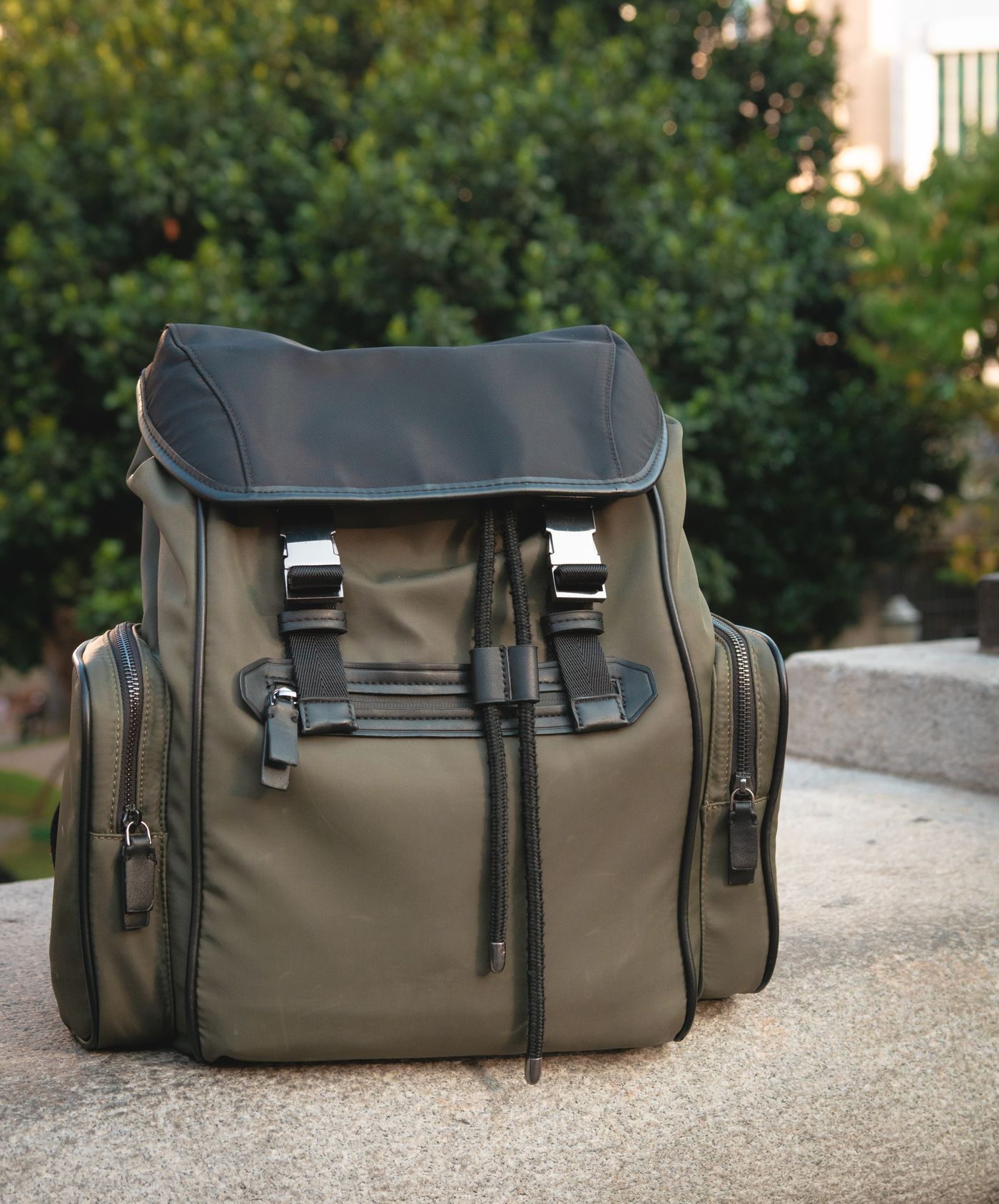
- Weekend travel: choose a crossbody camera or medium bucket bag with easy phone access.
- Dinners: use phone and cardholder as minimum capacity; chain or shoulder bags add polish.
- Parenting: hands-free wear, durability, cleanability, and secure closure come first.

Six fitting checks
- Load the real weight and wear it for ten minutes.
- Test opening, closing, and retrieving keys with one hand.
- Try straps over a thin top and a heavy coat.
- Sit, bend, and walk quickly to see whether the bag flips or bumps.
- Confirm that hardware, lining, and base support the intended load.
- Match it with at least five existing outfits and three regular occasions.
Let life choose the bag
Define essentials and occasions first, then capacity, closure, carry style, and proportion; select color and decoration last. Between two options, the lighter bag with an adjustable strap, secure closure, and stronger wardrobe compatibility is usually safer. A designer bag should make daily life easier, not require constant compromise.
FAQ
Best shapes for petite frames?
Mid-small structured bags usually flatter; oversized totes can overwhelm.
Must a work bag be large?
List daily essentials first—fit plus a little room beats oversized bulk.
Are underarm bags only stylish?
Great for light days; carry a larger work bag if you need tablet and bottle space.
How to avoid wrong sizing?
Match height, occasions and a real contents list—see proportions in person when possible.