neither gold nor silver hardware is universally better. Choose according to your skin undertone, wardrobe, jewelry habits, and the character of the bag. If hardware tarnishes, begin with a gentle dry wipe, avoid household chemicals, and seek professional care when plating is damaged. Hardware is both functional and central to a designer bag’s appearance and resale appeal.

How to Choose Gold or Silver Hardware
Gold: warm, polished, and timeless
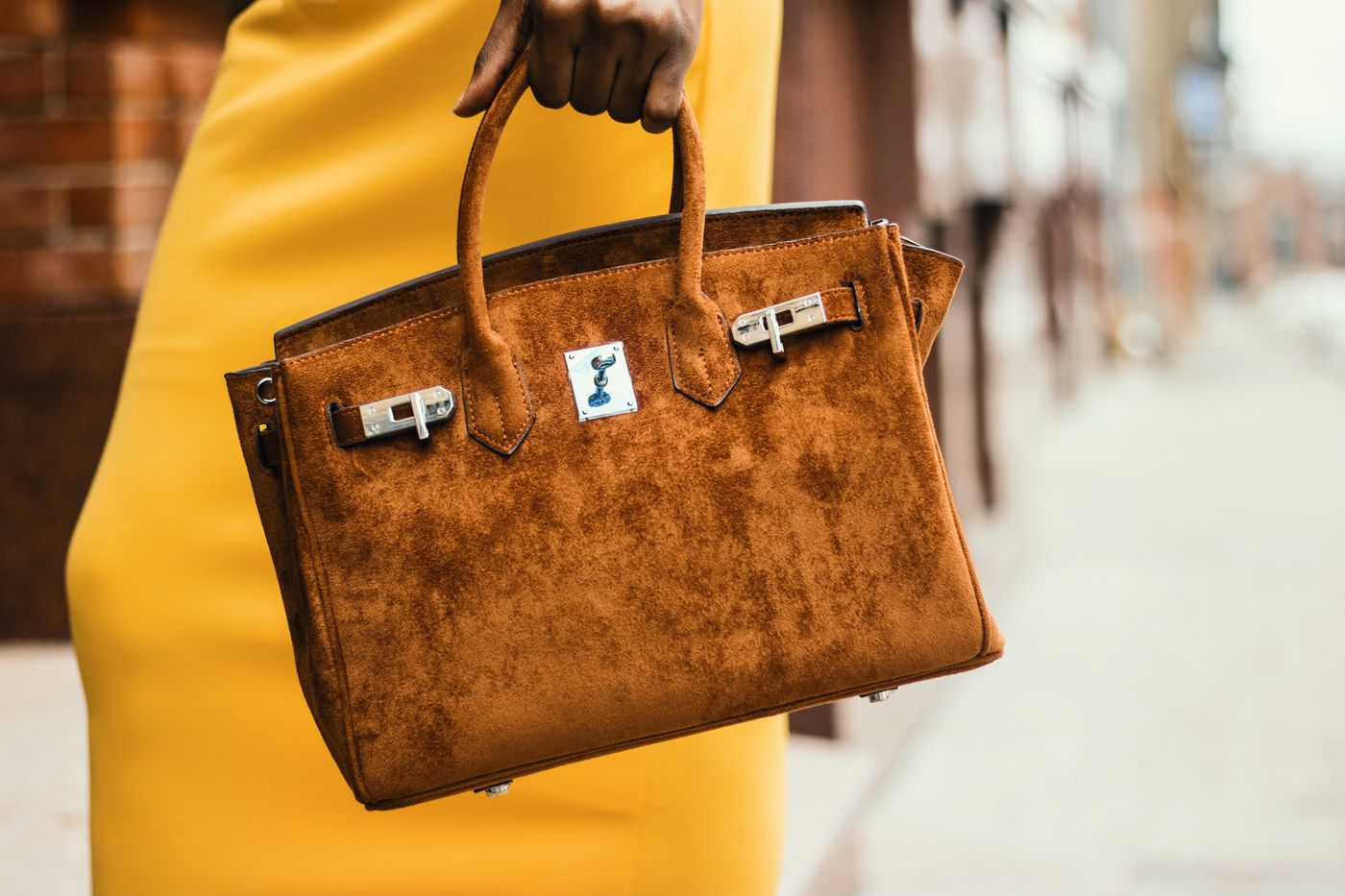
Gold-tone hardware brings warmth, vintage character, and formality. It pairs especially well with black, brown, burgundy, cream, and earth-tone leather. It is often a natural choice for warm undertones and for anyone who regularly wears yellow or rose gold jewelry. Its visual presence also complements structured, classic bags.
Silver: clean, understated, and modern
Silver, palladium, and other cool-tone finishes feel crisp and contemporary. They blend easily with black, white, gray, denim, and cool colors. Silver hardware is particularly versatile if you wear white gold, silver jewelry, or a steel watch, although fine marks may be more visible on highly polished finishes than on brushed ones.
Three questions that simplify the decision
- What jewelry do you wear? Matching your everyday rings, earrings, and watch creates cohesion.
- What colors fill your wardrobe? Warm neutrals often favor gold; cool, minimalist palettes often favor silver.
- Where will you carry the bag? Gold emphasizes elegance and collectability, while silver can feel discreet and effortless.

Why Designer Bag Hardware Tarnishes
Most luxury hardware uses a base alloy with plating or another surface treatment, so its appearance is not permanent. Perspiration, skin oils, perfume, alcohol, seawater, rain, humidity, and friction can gradually wear the protective finish. Dullness, color variation, dark spots, verdigris, thinning plating, and hairline scratches reflect the combined effects of material, use, and storage rather than automatically indicating poor quality.
Safe First Aid for Tarnish and Scratches
First, stop using the bag and dry it
After contact with rain or perspiration, gently blot with a clean, soft, lint-free white cloth and leave the bag in a shaded, ventilated room. Do not use hot air, and never leave a damp cloth over the boundary between leather and metal.
Use only gentle dry wiping
Fingerprints and light haze may be wiped with a clean lens cloth in one direction. Stop if you see green residue, pronounced dark spots, peeling plating, or mechanical resistance. Toothpaste, baking soda, silver cloths, metal polish, alcohol, and solvents can remove plating or stain leather and should not be used without specialist guidance.
Understand what scratches can and cannot do
Fine hairline marks are normal wear. Repeated polishing may create uneven thickness and color. Deep scratches, dents, loose clasps, and faulty zippers require a professional assessment for replating, reshaping, or replacement. Photograph the condition before repair and ask whether the proposed work changes the bag’s original state.

Daily Care Matters More Than Restoration
- Wipe away oils and perspiration after use, especially around clasps, zipper pulls, and chain joints.
- Let perfume, hairspray, sunscreen, and hand sanitizer dry before handling the bag.
- Separate chains and charms from leather with acid-free tissue or a soft white cloth.
- Store in a cool, dry, ventilated space away from cars, bathrooms, and direct sunlight.
- Do not leave protective films on indefinitely, as trapped moisture can cause localized discoloration.
Hardware Checks Before Buying
Open and close the bag several times. Check alignment, clasp movement, zipper resistance, and consistency of finish. For a pre-owned bag, inspect high-friction areas in natural light and ask whether hardware has been replated or replaced. Complete original hardware and transparent care records are usually more reassuring than an aggressively polished surface.
The Right Answer Is Personal
Place the bag beside your most-worn jacket, add your usual jewelry, and view everything in natural light. Once purchased, dry wiping, separation, and ventilated storage will help the finish age gracefully. When oxidation has penetrated the surface or plating is compromised, a trusted luxury-care professional is the safest route for protecting both the bag and its value.
FAQ
Does gold or silver hardware hold value better?
Resale hinges more on model and colour; pick hardware for styling, then market demand.
Can I polish oxidized hardware myself?
Gently wipe with a soft cloth—avoid abrasives and harsh cleaners.
Is plating wear normal?
High-touch areas can show wear; large peeling needs specialist review.
What to check when choosing hardware?
Skin tone, jewellery and wardrobe cohesion—plus repair/replacement difficulty.