never authenticate a designer bag by a serial number or authenticity card alone. Check the leather, hardware, stitching, brand markings, accessories and traceable provenance together. A counterfeit may copy one convincing detail, but it is much harder to make every material and period-specific feature agree.
Online photos cannot fully replace a hands-on inspection. These checks can help Taiwan buyers screen risky listings, but an expensive or questionable piece should still be reviewed by an authenticator familiar with the exact brand, model and production era.

1. Read the leather, not just the smell
Leather varies by collection, year, tannage and finish, so no single scent proves authenticity. Look for natural variation in pores, grain depth and flexibility. Embossing should flow naturally rather than repeat like a printed pattern. Heavy plastic-like coating, whitening at bends or premature cracking deserves closer attention.
- Ask for close-ups in neutral daylight and a side view of the leather flexing.
- Compare only with reliable examples from the same model and era.
- A harsh glue smell is a warning, but a leather smell is not proof.

2. Examine hardware weight, finish and construction
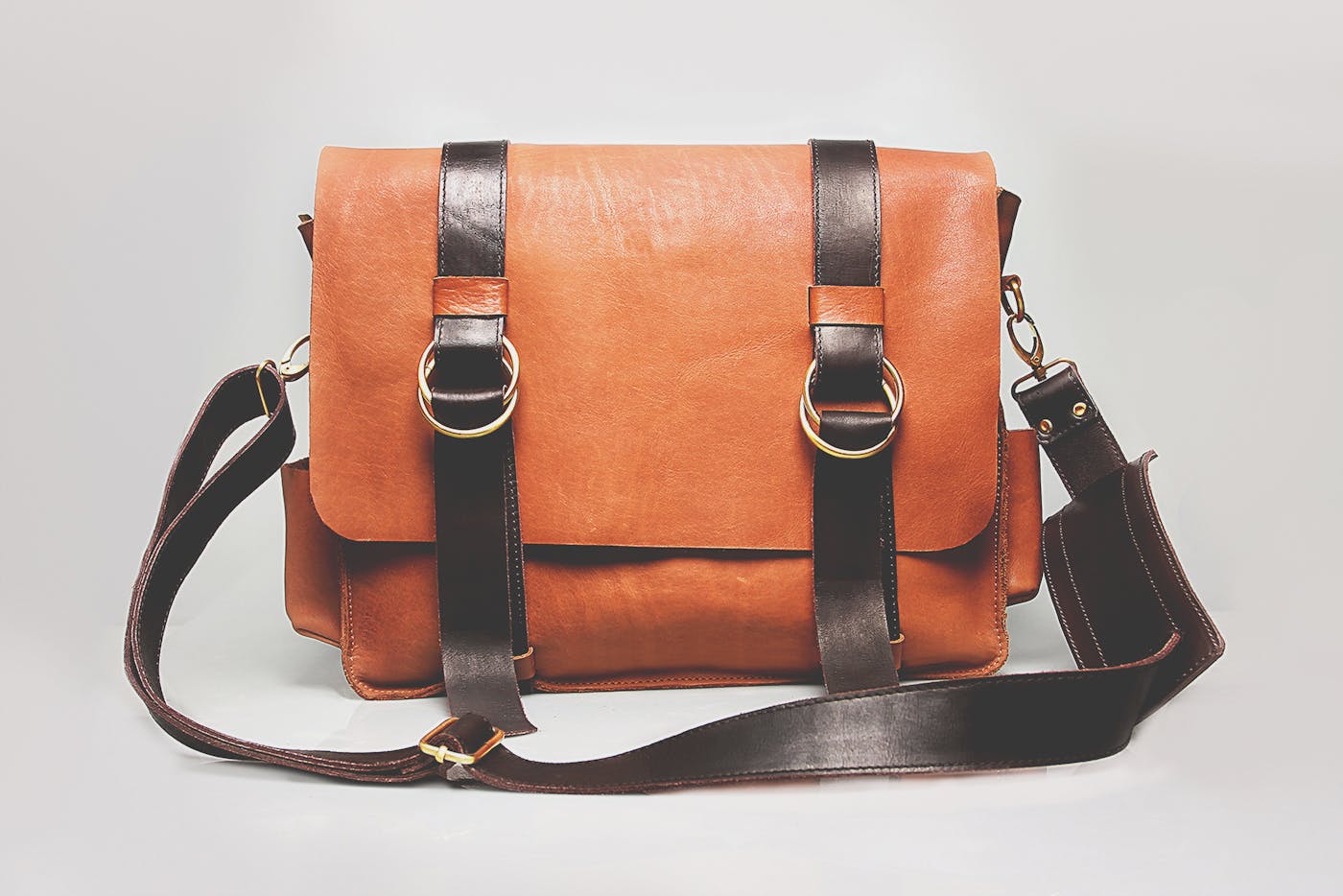
Quality locks, zippers and chains normally feel stable, operate smoothly and have carefully finished edges. Heavier is not automatically better; the relevant question is whether dimensions, colour, structure and weight make sense for that model. Watch for overly yellow plating, glaring mirror finishes, uneven engraving or screws inconsistent with the maker's practice.
Request the backs of locks, underside of zipper pulls, chain connections and screw heads. Wear should also tell a coherent story. Frequently touched areas lose shine naturally; mismatched new-looking hardware on a visibly worn bag may indicate repair or replacement and should be disclosed.

3. Follow the stitching for consistency
Authentic work is not always mechanically perfect, especially on hand-finished pieces, but stitch length, angle, tension and finishing should follow the house technique. Inspect curved flaps, handle bases, pocket corners and lining seams for skipped holes, doubled punctures, loose ends or abrupt stitch changes.
- Patterns and monograms are usually aligned thoughtfully at major seams.
- Edge paint should be controlled, without heavy overflow or bubbling.
- Asymmetry can come from wear, so assess it with the structure and other clues.
4. Verify typography, stamps and code logic
Study letter proportions, spacing, depth and placement, not spelling alone. Marks evolve across periods, factories and materials, so one reference image is not universal. Serial numbers, date codes and chips support a production timeline; they do not certify a bag because valid numbers can be copied repeatedly.
Identify the exact model, size and likely year before comparing its country mark, interior label and engraving. A code that implies a year before a colour, material or hardware version existed is a significant conflict. Avoid posting complete identifiers publicly where they can be misused.

5. Treat packaging as evidence, not a certificate
Dust bags, boxes, ribbons, receipts and cards can be copied, lost or paired later. Their fabric, print, stitching, language and period can add context, but a full set never overrides a problematic bag. Verifiable purchase history, transparent provenance and a written return process are more useful protections.
- Ask for original documents with personal details safely covered.
- Reverse-search images and request a new photo with a specified note.
- Walk away from extreme bargains, payment pressure or refusal to provide details.
A safer pre-purchase workflow
Save the listing, messages, payment terms and seller promises. Compare the asking price with credible market examples. On arrival, record the unboxing and inspect dimensions, lining, hardware, marks and accessories before removing return-sensitive tags. For high-value purchases, agree in writing on independent authentication and remedies before payment.
Reliable authentication connects material, craftsmanship, era and provenance into one consistent case. If uncertainty remains, KÉSH de¹ (Kesh-de1) recommends pausing the transaction, gathering clearer evidence and consulting a trusted specialist. One extra check is usually easier than recovering money later.
FAQ
Can a serial number prove authenticity?
No. Numbers and cards can be copied. Always cross-check leather, hardware, stitching and era logic.
What if a bag looks suspicious after delivery?
Keep unboxing records and accessories, report within the return window, and seek professional authentication if needed.
Is a phone flashlight check enough?
Useful for screening, but high-value pieces still need a specialist familiar with the brand and year.
How does KÉSH de¹ help?
Dual authentication and clear condition notes reduce authenticity and information gaps outside boutiques.