When preparing to buy a pre-owned luxury piece, the first question people often ask is:
“Is there a receipt?”
It is a perfectly natural question.
For years, the original purchase receipt has been regarded as an essential accessory—recording when and where the piece was bought, and adding a sense of completeness to a collection.
Yet when we widen the lens to the global secondary luxury market, the way the industry builds trust is quietly changing.
The market is no longer focused only on “what comes with the piece,” but on “whether the piece itself deserves to be trusted.”
This does not mean receipts have become less important. It means the luxury market now understands “trust” in a fuller, more mature way.
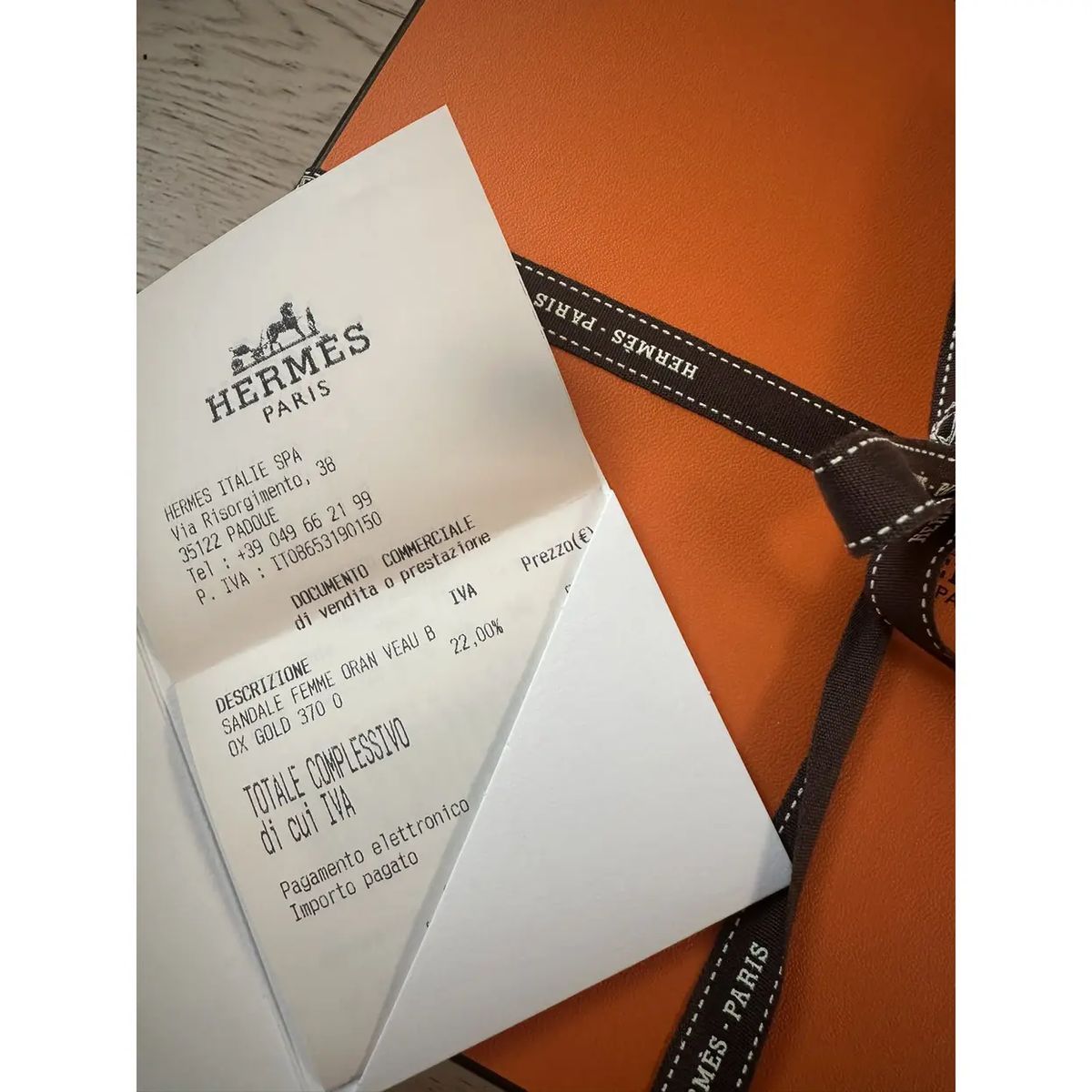
A Receipt Marks the Beginning of a Piece’s Journey
There is no doubt that a receipt matters.
It records a luxury piece’s original purchase details—an important page in its story.
For collectors, carefully preserving the receipt, box, dust bag, and related accessories not only elevates completeness, but also helps establish provenance.
In collecting culture, the receipt has always been an accessory worth keeping.
Yet once a piece leaves the boutique, its true life cycle begins.
It may accompany different collectors for years—through care, repair, archival storage, and circulation once more.
For pre-owned luxury, what the market truly values is not only the original purchase record, but whether the piece has, throughout its journey, continued to embody the brand’s craftsmanship and enduring value.
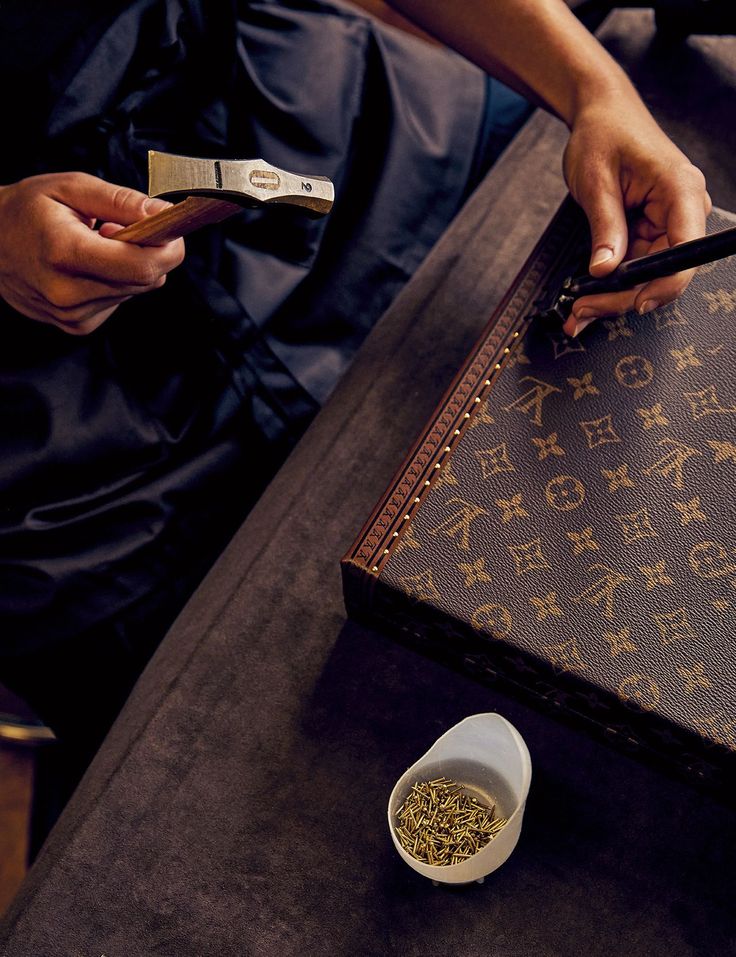
The Global Secondary Market Has Never Looked at Documents Alone
Over the past decade, the global pre-owned luxury market has grown rapidly.
Whether at major Western resale platforms, international auction houses, or professional authentication bodies, the core of trust has steadily returned to the piece itself.
Professional authentication typically examines:
- Brand craftsmanship signatures
- Leather materials
- Hardware details
- Stitching techniques
- Stampings and date codes
- Manufacturing specifications
- Period-specific craftsmanship differences
By cross-referencing multiple details, experts confirm whether a piece meets the brand’s standards of its era.
In recent years, many international institutions have combined AI-assisted analysis with multi-layer human review, aiming for more transparent, consistent authentication workflows.
Because the market has come to understand one thing:
What truly deserves verification is the piece itself—not any single document.
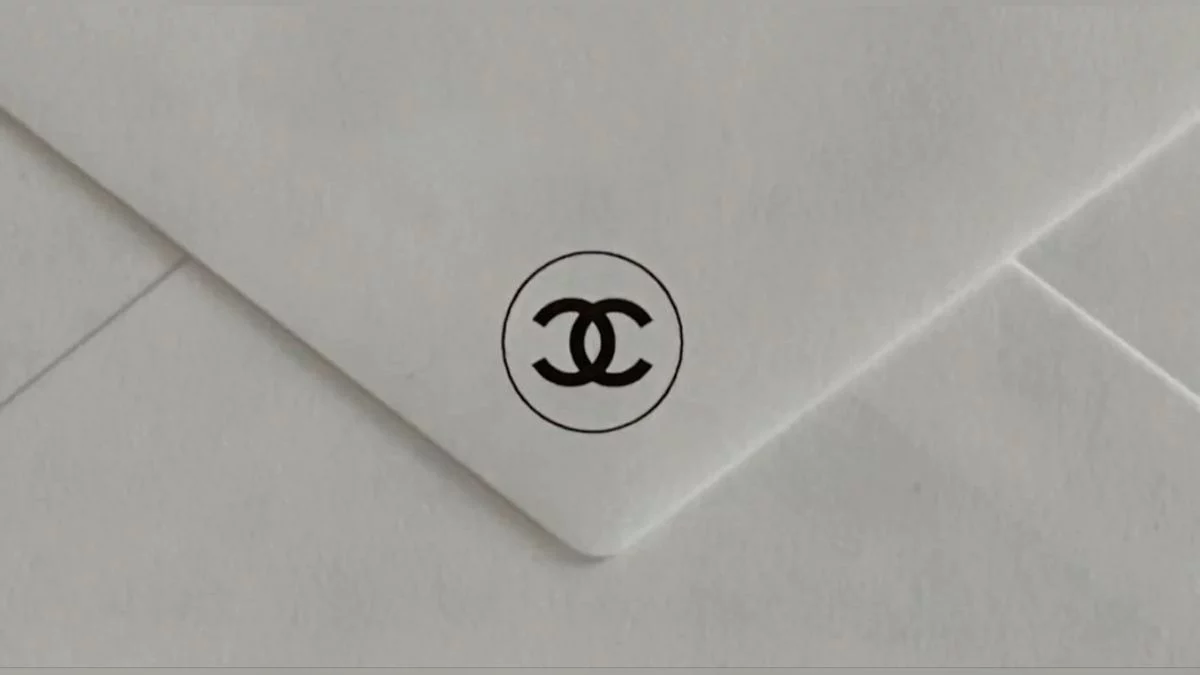
Louis Vuitton has already moved to chip scanning; Chanel’s authenticity stickers are redesigned every year—precisely because paper-based anti-counterfeiting has lost its edge.
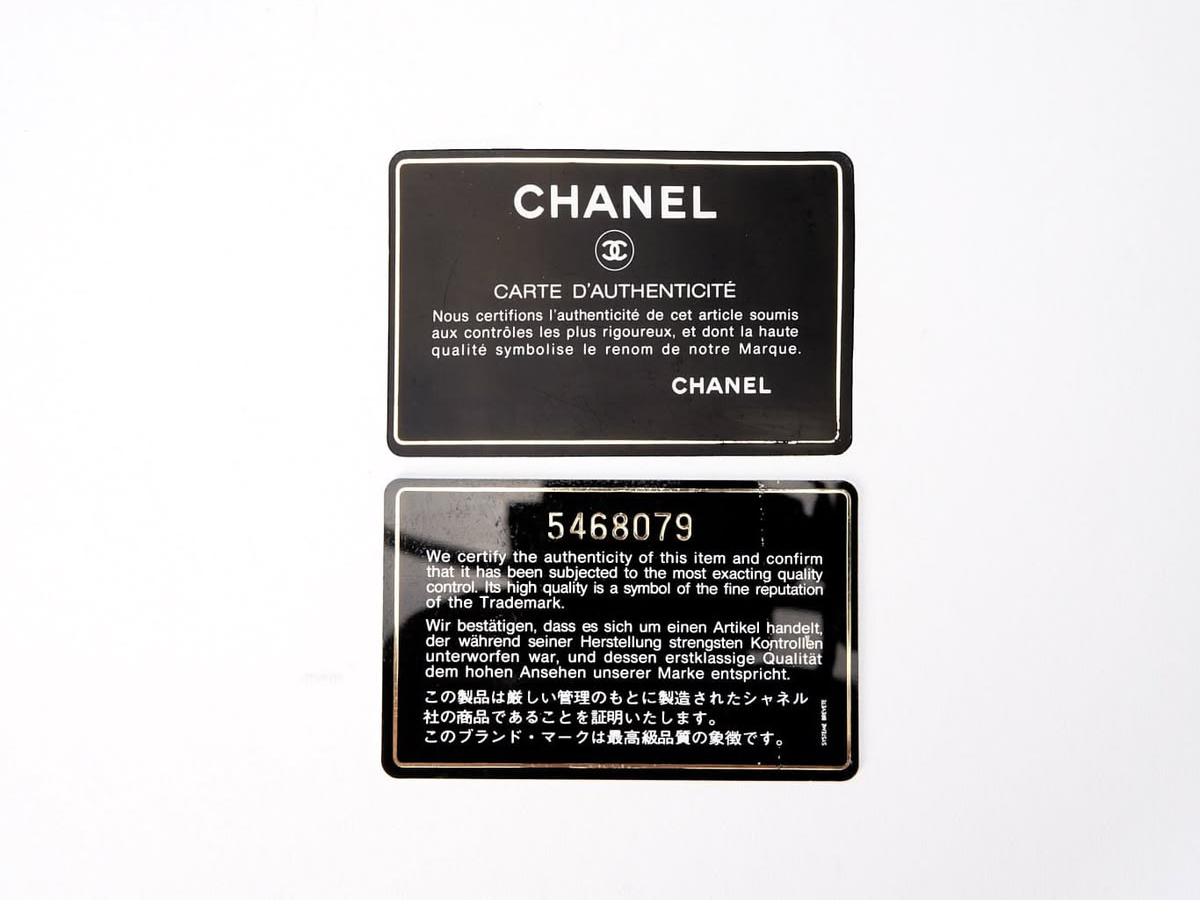
International consensus: packaging, dust bags, and authenticity cards can all be purchased separately. A missing document does not mean a fake.
Many owners simply never kept them—or lost them over time.
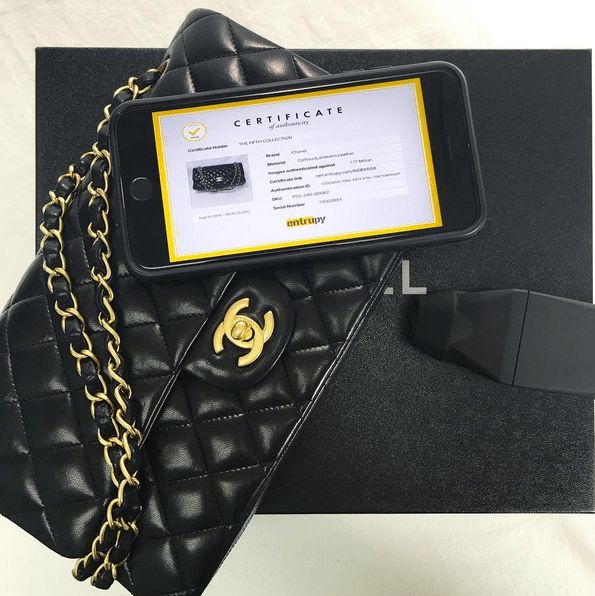
Chanel’s Shift Shows How Luxury Trust Mechanisms Are Evolving
If you have purchased a new Chanel bag in recent years, you may have noticed a major change.
Since 2021, Chanel has gradually discontinued the complimentary Authenticity Card that once accompanied each bag, replacing it with an embedded microchip identification system as part of product management.
This change does not lower the bar for authenticity—it signals that luxury houses are adopting higher-spec, harder-to-counterfeit identification methods.
For recent Chanel bags, therefore, “whether an authenticity card is included” is no longer a meaningful criterion. Judgment should return to craftsmanship, embedded identifiers, and professional authentication as a whole.
Chanel’s evolution also reveals a broader trend:
The luxury industry is gradually moving from paper documents toward digital, traceable, and more complete product histories.
True Luxury Value Comes from a Complete Life Story
A luxury piece’s value is usually shaped by many factors together.
For example:
- Authenticity
- Condition
- Year of production
- Rarity
- Materials and hardware configuration
- Market demand
- Collecting completeness
- Accessory completeness
The receipt is naturally one important part of that picture.
But a mature collecting market tends to understand a piece from a more holistic view.
Because collecting luxury is not about a single purchase—it is about the complete history of a work.
The Next Decade: Luxury Enters the Age of the Digital Passport
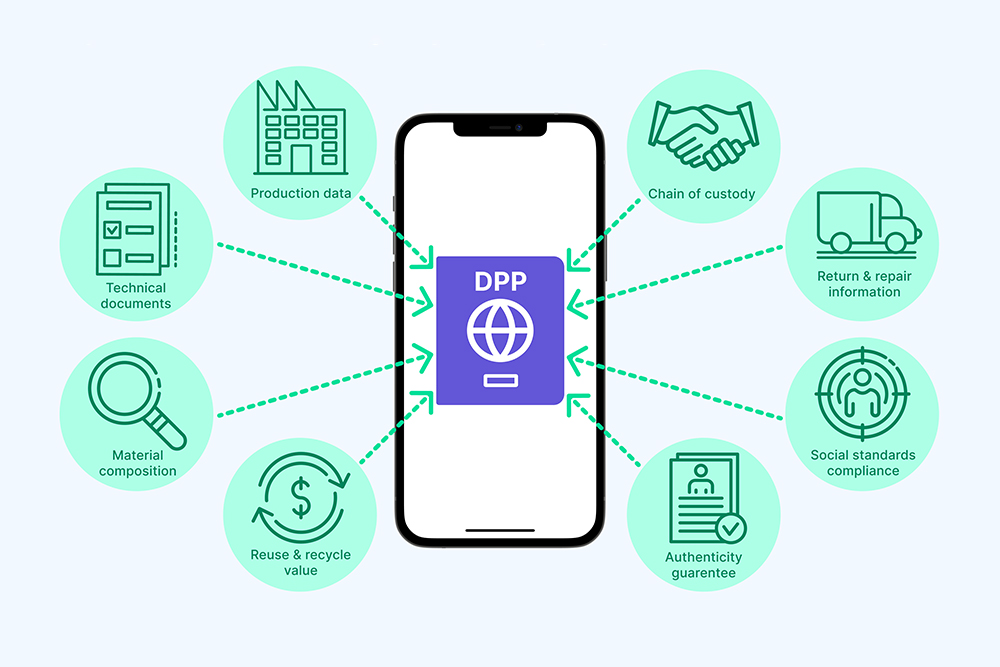
In recent years, the EU has advanced the Digital Product Passport(DPP) concept—aiming to give products continuously updatable, traceable digital histories.
In the future, via QR Code or other digital identifiers, products will gradually be able to record:
- Manufacturing information
- Material sourcing
- Repair records
- Care and maintenance history
- Recycling and circularity data
- Product life cycle
For luxury, this means trust mechanisms will gradually shift from paper documents toward comprehensive digital information management.
What truly matters will no longer be a single transaction, but whether a piece’s entire life cycle is transparent, complete, and traceable.
Taiwan Is Moving in the Same Direction
Taiwan has been steadily advancing circular economy initiatives and product information transparency.
The Ministry of Environment has also publicly followed the international development of the Digital Product Passport(DPP), evaluating future alignment with global frameworks—to improve product transparency and support circular, sustainable growth.
This means future value will not rest on preserving a single paper document, but on building a complete, credible, and verifiable product history.
The luxury market, too, will welcome a new standard of trust.
Trust Comes from Transparency; Value Comes from the Piece Itself
Receipts are worth keeping carefully.
Boxes, dust bags, and original accessories hold collecting meaning as well.
They are all part of a luxury piece’s story.
But as global markets continue to evolve, another direction has become unmistakably clear.
True luxury value has always come from brand craftsmanship, design aesthetics, condition—and a complete, verifiable product journey.
As the Digital Product Passport (DPP), professional authentication, digital provenance, and international standards mature, the way markets build trust will become more transparent and more consistent.
And what truly endures is not merely a document that accompanies a piece—but the work itself: one that withstands time, craftsmanship verification, and market recognition.
Documents expire.
The piece speaks for itself.
The future is a scan away.
That Chanel without papers walked with her mother for twenty years.
Its faded leather and worn corners are the finest proof of purchase.
True luxury does not need paper to prove it exists.
It needs time.
As the EU advances the Digital Product Passport(DPP), consumer focus will gradually shift from “whether there is a paper receipt” to “whether there is a complete, traceable digital product history.”
What we will collect in the future is not merely a receipt—but a luxury piece with a full digital passport.
By KÉSH TEAM
Written / KÉSH Luxury Authentication Team