In a Rising Market, How Should Mature Investors Weigh Stock Investing Against Luxury Purchases?
As global equities ride a strong upward wave, many investors have seen their brokerage accounts grow significantly. In this climate, diversified asset allocation has returned to the center of conversation—and more people are asking how to balance paper gains with the quality of everyday life.
Friends around me have raised similar questions: “Stocks keep climbing—should I put this money into investments first instead of buying luxury?” Or: if only I hadn’t bought property, I could have gone All IN on stocks with that capital.
There is no single right answer.
What truly deserves reflection is not which is better—stocks or luxury—but what role you want money to play in your life.
If you happen to have capital on hand, yes—you can put it into the market, or choose a piece of luxury. Neither choice is absolutely right or wrong. What matters is how you see these two different vessels of wealth, and what substantive value each can bring you.

I. Financial Figures vs. Tangible Craft: A Rational Comparison of Asset Character
Stocks, at their core, are a form of asset allocation. When you believe in a company’s future and buy its shares, you are trusting that it will create more value over time. Done well, investing can grow your wealth; yet markets are inherently volatile, and even the finest companies do not rise in a straight line. Financial assets excel in liquidity and compounding—but their value lives in a digital account, and until gains are realized, they do not directly change material life. Money in the market pursues the efficiency of appreciation.
Luxury is entirely different. It is not a price that flickers daily, but an object you use. Some people savor design and craftsmanship; others love the brand’s logo; still others simply need it every day—and it adds a touch of refinement to living.
From a global market view, international houses (Hermès, Chanel, Louis Vuitton and the like) carry irreplicable craft heritage and controlled production. Classic pieces on the secondary market often show greater resilience and value retention than ordinary consumer goods.
Look at many successful people and you will notice: their assets rarely take only one form. Some hold equities and real estate; some collect art and watches; and yes, some collect luxury. The reason is simple.
Life seeks more than investment returns—it seeks quality of living.
II. The True Story of a Classic Wallet: Turning Spending into Fuel for Earning
On the role money plays in life, I saw a very practical example just last month.
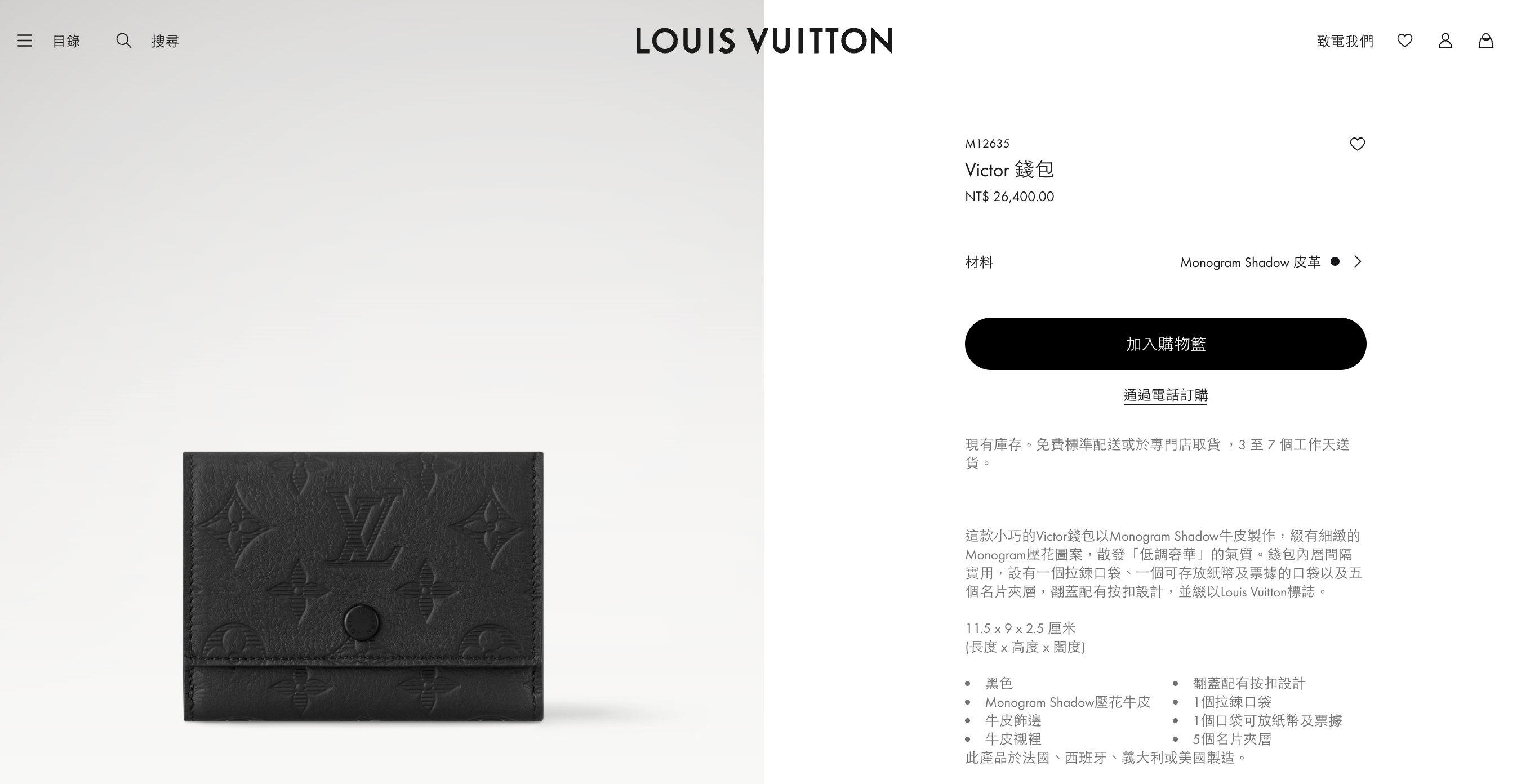
My brother recently made gains in the market. He chose to set aside part of that profit and buy himself a classic LV VICTOR black embossed bifold. On a ledger, this might look like “consumption” spent; from the psychology of investing, he had built a healthy positive feedback loop.
For him, the wallet was not merely a luxury object—it was a tangible trophy, proof that “this is what I earned through my own research in the market.”
Now, every time he reaches for it and feels the leather and its texture, he gets a real sense of achievement. That feeling becomes a constructive cycle: when he sits at the screen studying stocks and watching the tape, he is more driven, more focused. The wallet became fuel for continuing his market research.
III. Rational Judgment: Don’t Follow Blindly—Know What You Are Buying
Of course, we need not mythologize any asset class.
Not every stock rises, and not every luxury piece holds its value.
Today’s luxury market shows a clear “K-shaped” divergence. Brands that are overly trend-driven or overproduced often suffer steep discounts on the secondary market. Only houses rooted in craft itself, deep in heritage, and steadfast in scarcity see details that, under professional authentication, endure time and market scrutiny.
So,
what truly matters is not following the crowd, but understanding what you are buying.
With stocks, you study financials and competitive strength; with luxury, you do homework too—on craftsmanship and condition.

Conclusion
Whether this budget stays in a brokerage account riding market swings, or becomes a finely made classic piece you will use for years—as long as it meets your needs at this stage, it is a worthy destination.
Stocks help you pursue future numerical growth; luxury helps you hold onto the craftsmanship of the present.
Truly mature investors know how to balance returns with quality of life. The most rational allocation lets financial assets work for you in the market, while also allowing yourself one tangible classic that elevates how you live.
Physical cards will someday yield to digital chips; market figures will keep fluctuating. A truly fine object itself, bearing the faint traces of use that years leave behind, speaks quietly through irreplaceable craft—of your eye and your taste.
See the details, and you understand the value.
After all, we work hard to earn not only so wealth can grow.
We also hope that one day, we can live the life we love.
May we each find our own balance between rational investing and enjoying life—neither lost in market swings, nor forgetting to give ourselves, along the way, a reward worth remembering.
To everyone who lives earnestly and invests earnestly,
may you harvest the wealth you envision, and hold happiness in every day.