
Why Is Hermès So Expensive?
By KÉSH TEAM
Written by / KÉSH Authentication Team
In the global luxury market,
Hermès has always been the most singular presence.
While most luxury houses drift toward mass production and traffic-driven scale,
Hermès still upholds ultra-low supply, high barriers, and an almost obsessive craft system.
That is why,
even as the luxury cycle turns,
Hermès’ Birkin, Kelly, and Mini Kelly
remain firmly at the summit of the global pre-owned pyramid.
For the true high-end collectors’ market,
Hermès has never been merely a luxury brand.
It is closer to:
a scarce asset.
What Makes Hermès Truly Expensive Is Not Just the Name
Many assume
Hermès is expensive simply because of fame.
In truth,
what sustains Hermès’ high prices over the long term
comes down to the following:
1|Extreme Supply Control
Hermès does not pursue selling at volume.
Even when demand is extreme,
the house deliberately keeps supply low.
Birkin and Kelly have long operated under an allocation system;
certain popular sizes and colors may require years of waiting.
That intensity of scarcity
makes Hermès one of the luxury brands closest to a true “collectible.”
According to recent Hermès market and auction data,
certain popular Birkin and Mini Kelly specifications
have long traded above boutique retail on the secondary market.
──────────────────
2|Craftsmanship and Production Limits
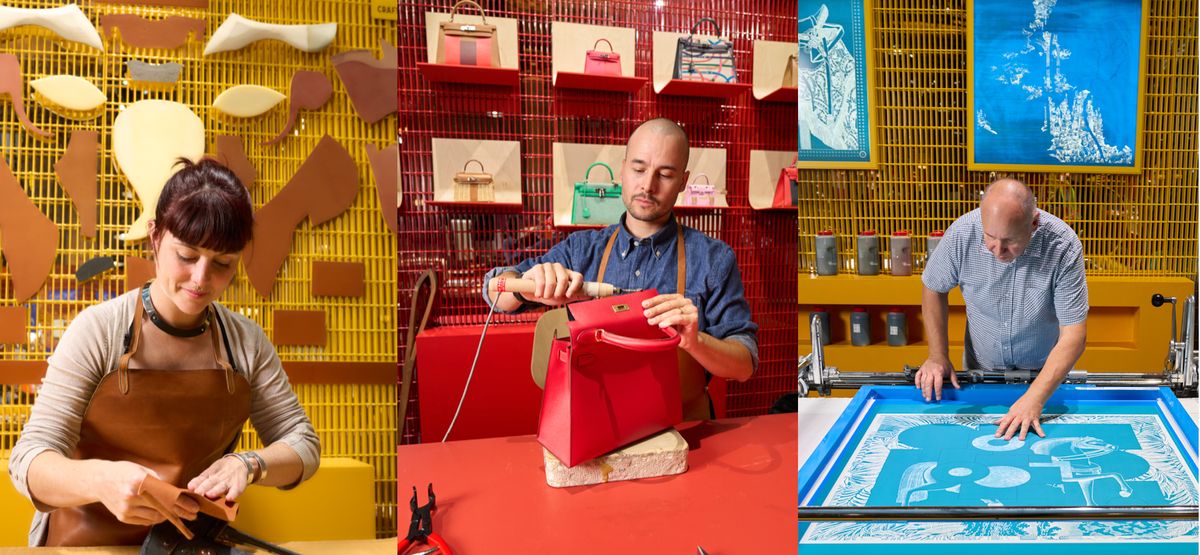
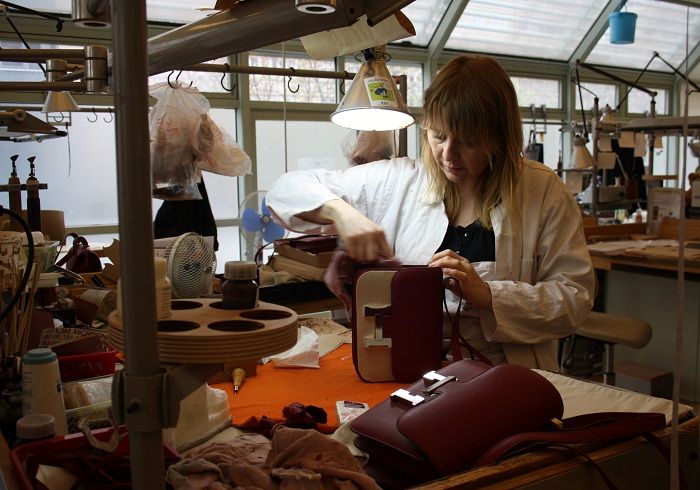
Hermès bags are not mass-produced on factory lines.
To this day, the house still follows:
one artisan, one bag.
Especially Birkin and Kelly,
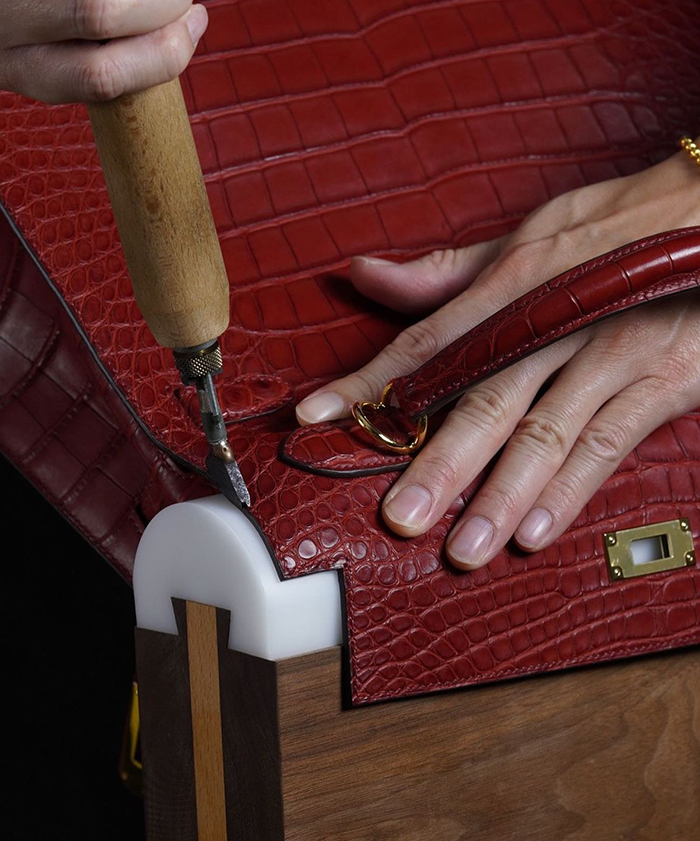
which demand long hours of handwork and rigorous leather selection.
That is why
Hermès cannot scale production the way ordinary luxury brands do.
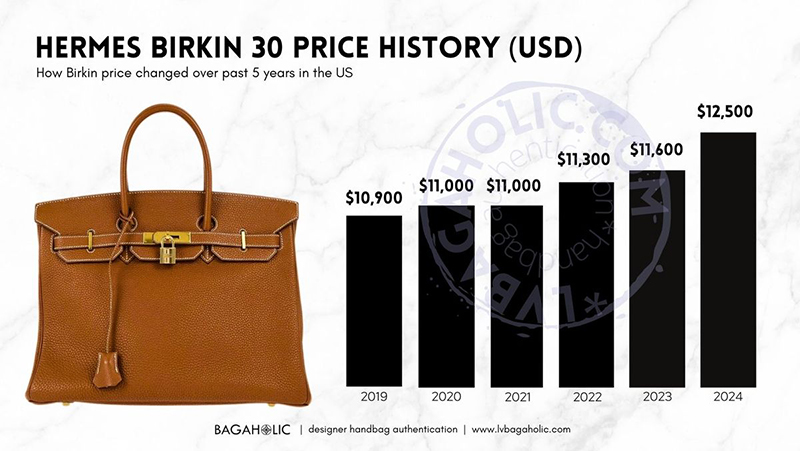
3|Prices That Rise Year After Year
Hermès raises prices almost every year.
In 2025, Hermès U.S. prices rose by an average of roughly 6%–7%.
Among popular styles:
Birkin 30 U.S. boutique pricing
has reached about US$14,900 in 2026.
When the brand’s retail price keeps climbing,
pre-owned prices are typically pushed upward as well.
Why Does Hermès Hold Value So Strongly on the Pre-Owned Market?
The real reason is simple:
demand far exceeds supply.
──────────────────
When a brand simultaneously holds:
• Global recognition
• Ultra-low supply
• Long-term price increases
• An affluent clientele
• A collecting culture
• Auction-market support
it gradually leaves the category of “consumer good.”
And begins to approach:
assetization.
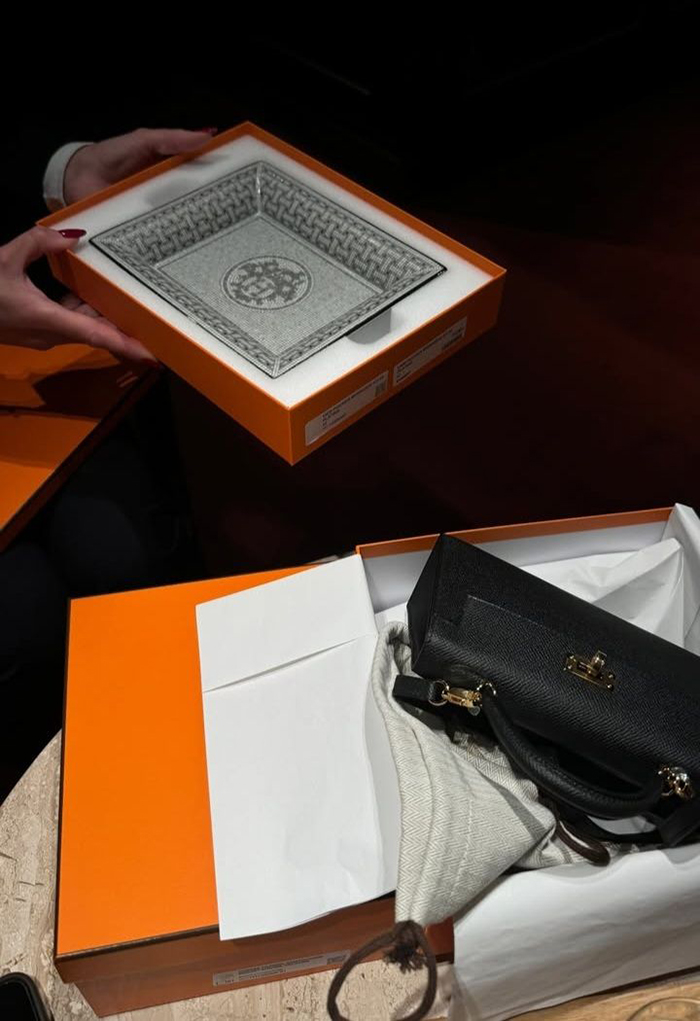
According to recent luxury auction data and the Luxury Investment Index,
the long-term appreciation of certain Hermès bags
has even outpaced some traditional financial assets.
Some research notes that
between 1980 and 2015,
Birkin appreciated at an average annual rate of about 14%.
──────────────────
2026 Hermès Resale Ranking Analysis
Below are the Hermès bags with
the most stable demand and highest liquidity on today’s global pre-owned market.
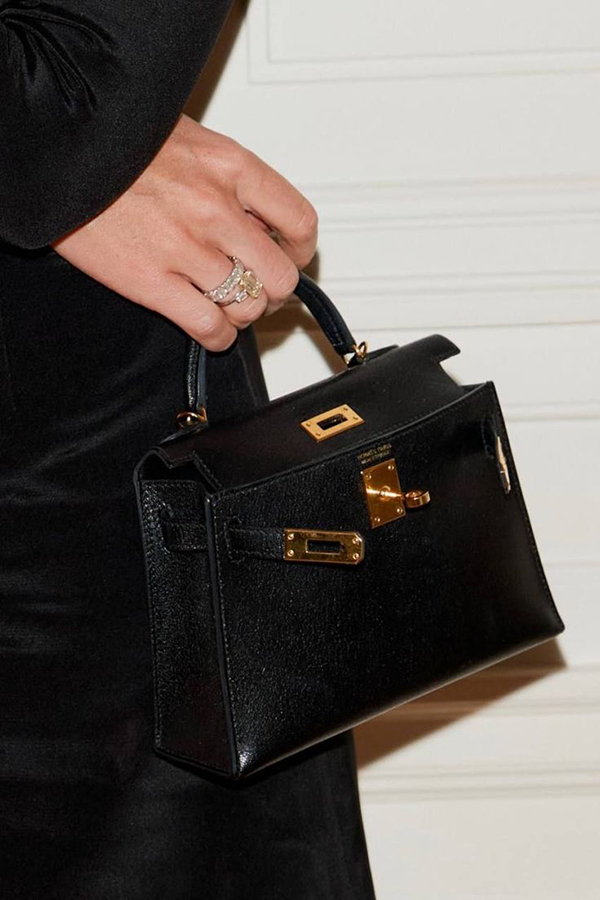
TOP 1|Mini Kelly II
The true market sovereign
is no longer Birkin.
It is:
Mini Kelly II.
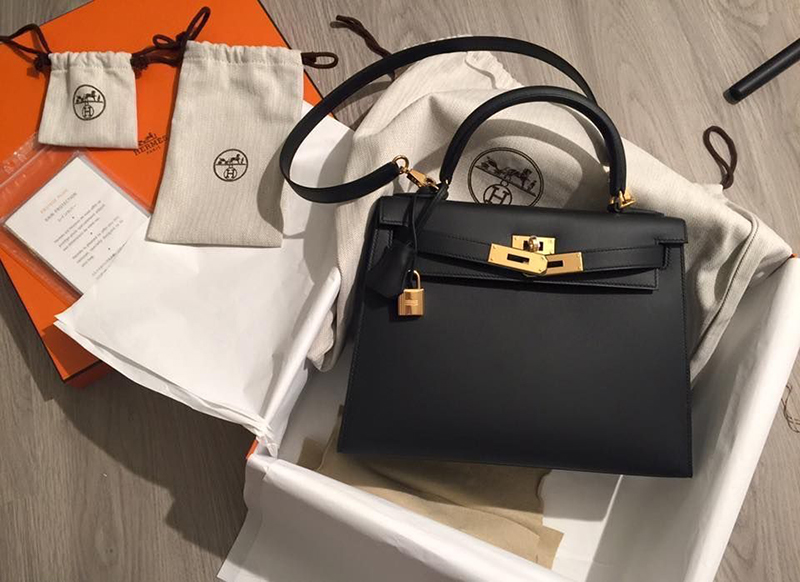
Mini Kelly’s core value comes from:
• Ultra-low supply
• Extremely high allocation barriers
• Celebrity effect
• Social-media visibility
• Explosive demand across Asian markets
According to recent pre-owned market data,
certain Mini Kelly II prices
have reached several times boutique retail.
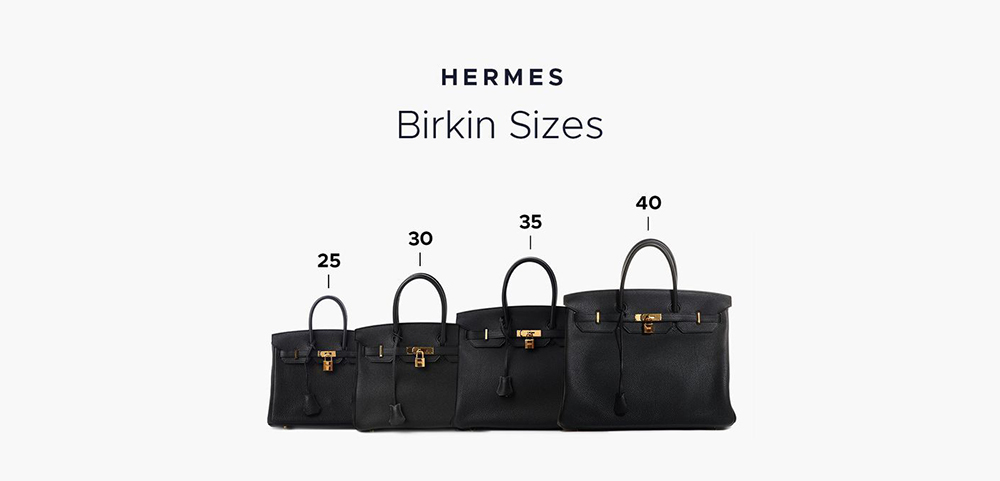
TOP 2|Birkin 25/30
Birkin remains one of the most emblematic bags in global luxury.
Especially:
• Black
• Gold / brown tones
• Togo
• Gold Hardware
These have long commanded highly stable demand.
Sotheby’s notes that
certain Birkin 25 and Birkin 30 pieces
have long sat in the US$28,000–30,000 range on the pre-owned market.
TOP 3|Kelly 25
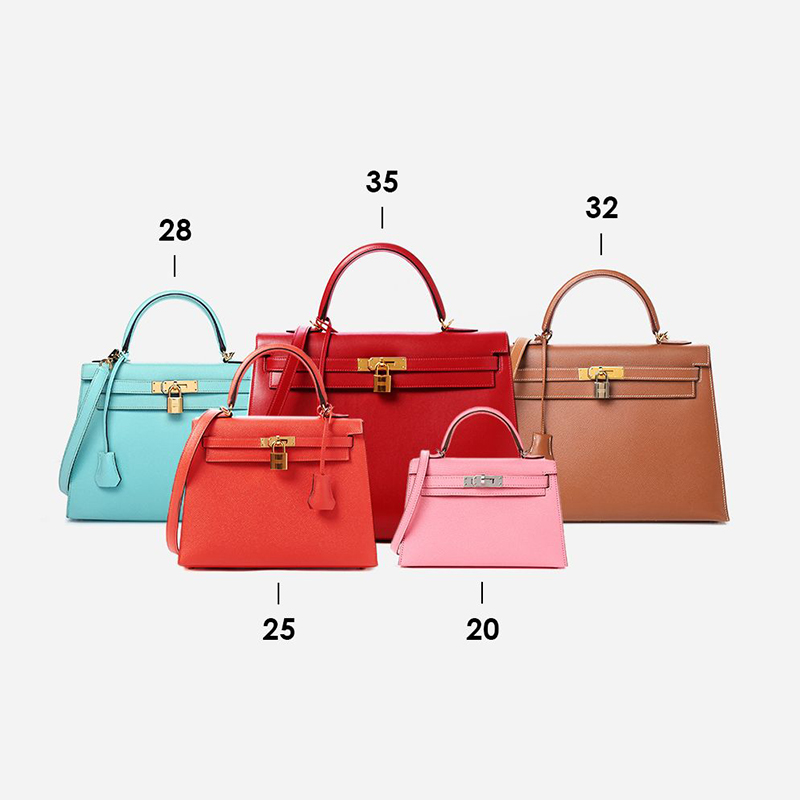
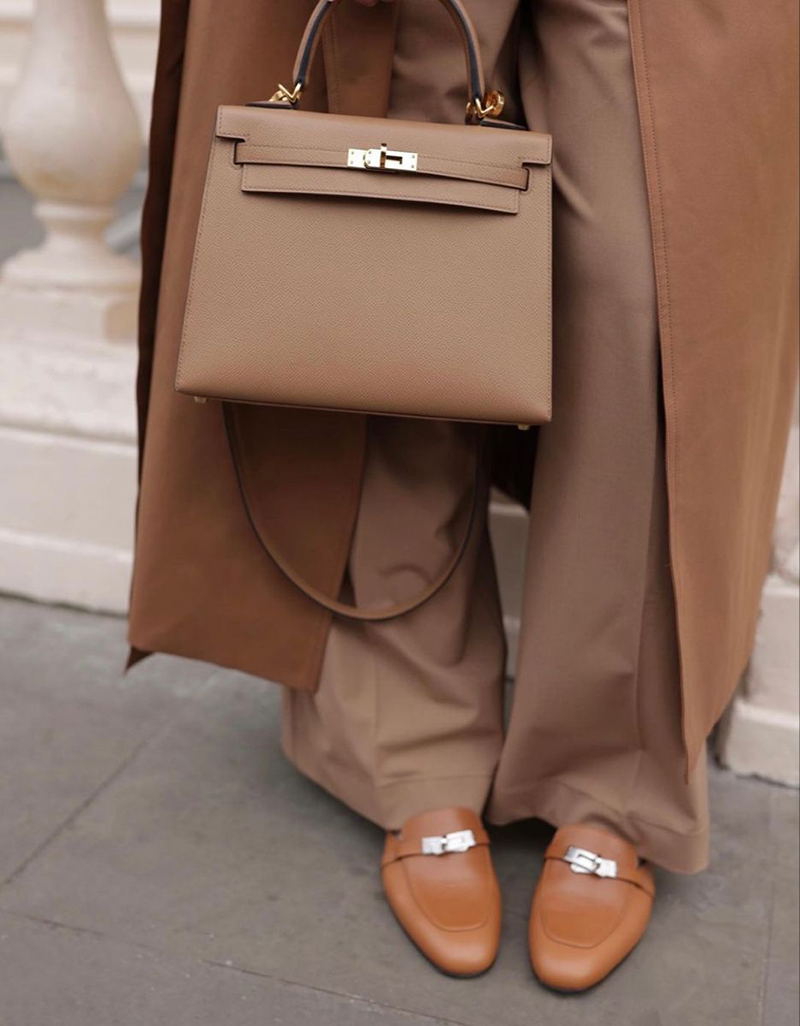
The Kelly market
has been trending younger in recent years.
Kelly 25 and Mini Kelly, in particular,
have become among the hottest Hermès bags in Asia.
Kelly’s strengths:
• Formal presence
• Collectibility
• Instant recognition
• Scarcity
Many collectors hold multiple leather and hardware combinations at once.
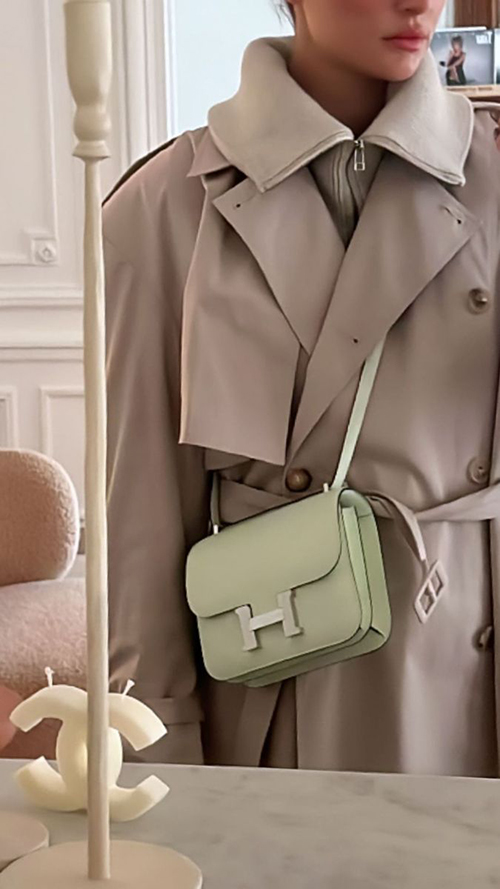
TOP 4|Constance
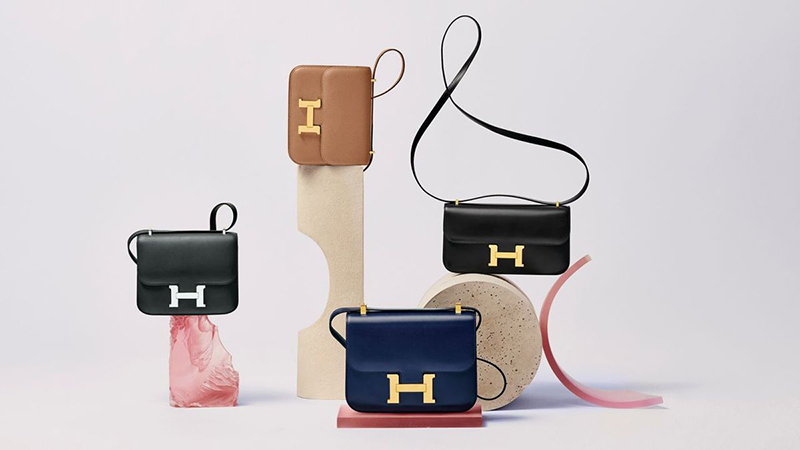
Demand for Constance has remained steady for years.
Smaller sizes and special colors, in particular,
remain very strong on the pre-owned market.
The H logo’s high recognition
also makes it one of the few Hermès bags that
combines everyday wearability with unmistakable brand identity.
TOP 5|Picotin 18
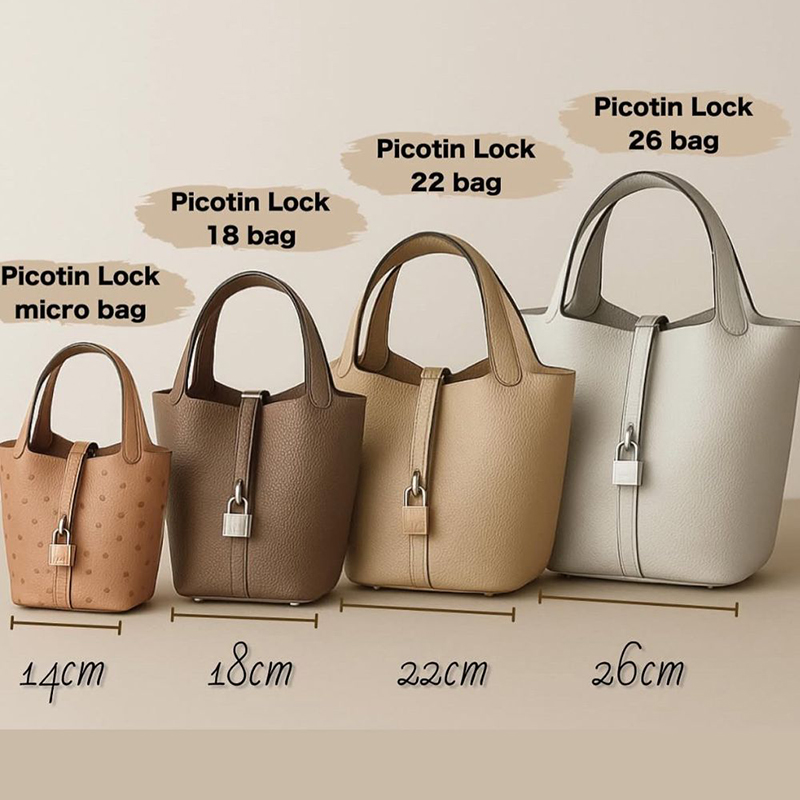
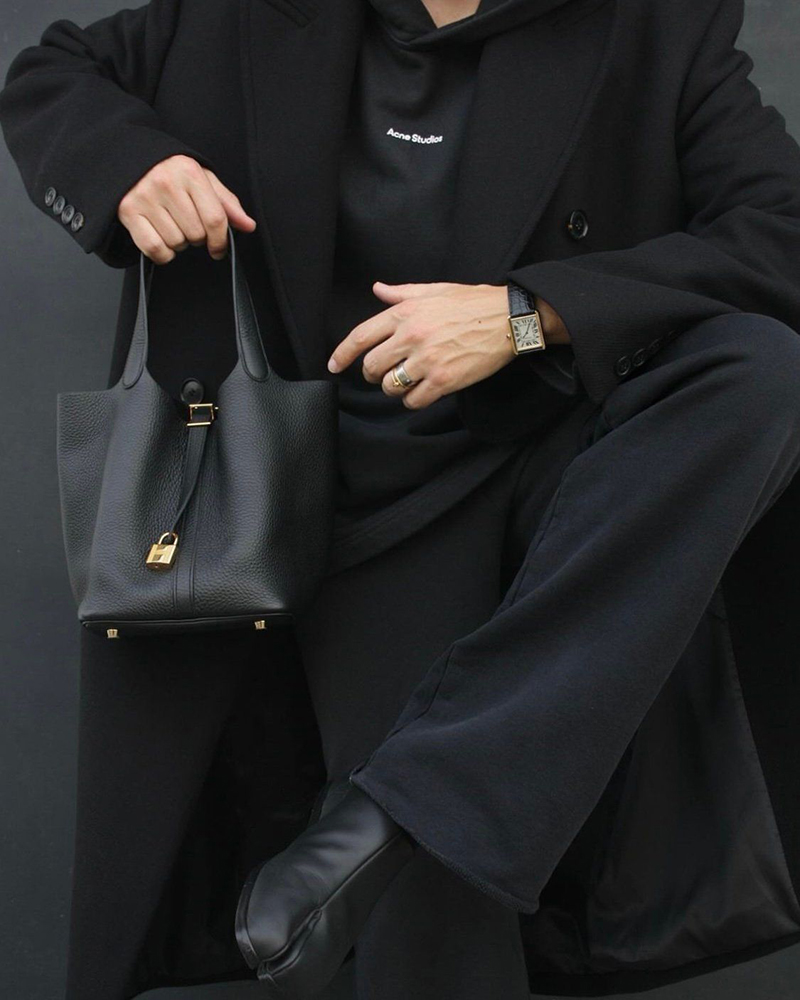
Picotin is one of the most popular Hermès entry bags in recent years.
Compared with Birkin and Kelly,
Picotin offers:
• A lower barrier to entry
• Greater everyday practicality
• A more relaxed styling feel
Especially in Asia,
Picotin 18 has long enjoyed exceptionally high turnover.
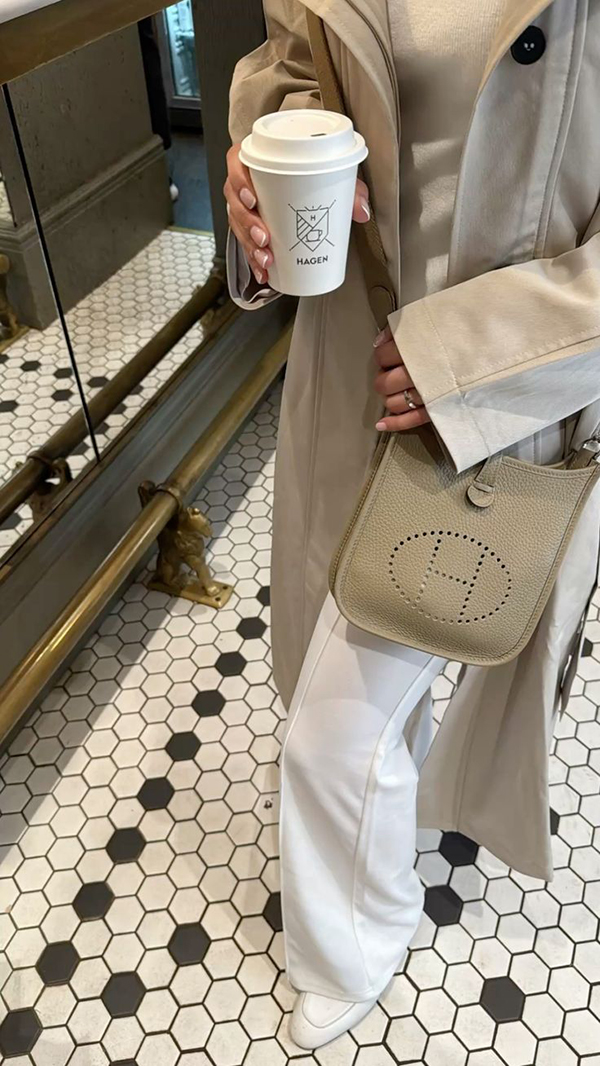
TOP 6|Evelyne Mini ( 16cm )
Evelyne is currently among the Hermès bags most accessible to younger markets.
In recent years, Mini Evelyne demand across Asia has been extremely high.
The reason is simple:
It offers:
• Lightweight wear
• Everyday practicality
• Logo recognition
• A relatively approachable price
while still retaining Hermès scarcity.
From KÉSH’s recent market observation,
Mini Evelyne’s velocity on the pre-owned market
even exceeds that of certain larger Kelly sizes.
Hermès Is No Longer Just Luxury
A clear trend is emerging in global luxury:
high-end luxury
is gradually becoming assetized.
Especially:
• Hermès
• Rolex
• Patek Philippe
Houses that long control supply
have become key collecting markets for high-net-worth circles worldwide.
In 2025, the global pre-owned luxury market
approached €50 billion.
Which means:
pre-owned luxury
is no longer merely “secondhand.”
It is becoming:
a global luxury circulation market.
What Truly Holds Value
has never been “the brand name” alone.
It is:
scarcity.
In the Hermès market,
pieces that remain stable over the long term
usually share these traits:
• Smaller sizes
• Classic colors
• Popular gold / palladium hardware configurations
• Mainstream leathers such as Togo / Epsom
• Excellent condition
• Complete accessories
Among them, Mini Kelly, Kelly 25, and Birkin 25
remain the strongest core collector-grade bags on the global market.
Entry series such as Picotin and Evelyne,
meanwhile, are becoming important gateways for the next generation of luxury buyers.
Closing
The true reason Hermès is expensive
has never been brand aura alone.
What it truly sells
is:
scarcity, craftsmanship, status,
and the collecting value the market has built over decades.
As global luxury drifts toward traffic and mass production,
Hermès still upholds ultra-low supply and profound scarcity.
That is why,
even as market conditions keep shifting,